
The Hidden Cost of Exporting Black Mass
Exporting black mass might seem like a simple business decision—but in reality, it’s a strategic mistake. Every ton of black mass sent overseas represents lost jobs, lost revenue, and lost control over America’s battery supply chain.
At American Li-ion, we believe those resources belong here at home. That’s why our facilities are designed to process black mass domestically—turning battery waste into high-purity pCAM and economic opportunity, right on U.S. soil.
What Is Black Mass?
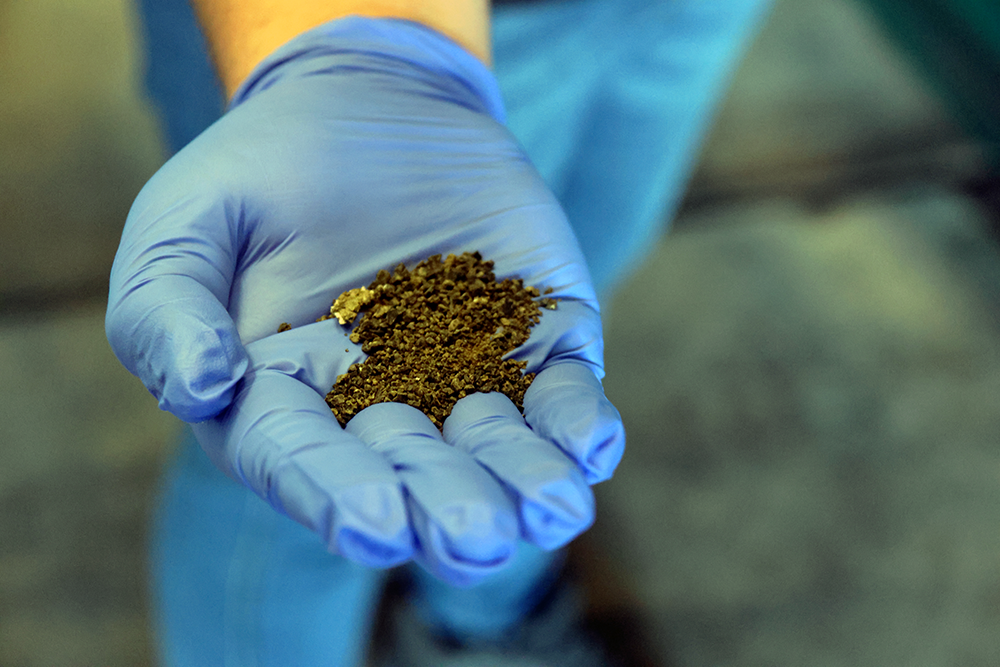
Black mass is the powdered mix of metals—like lithium, nickel, cobalt, and graphite—left after spent batteries are shredded. It’s the most concentrated source of battery-grade minerals already circulating in the economy. In short, it’s the fuel for the next generation of American-made batteries.
Why Exporting Black Mass Is a Problem
When black mass is exported to overseas refiners, the U.S. loses three critical things:
- Jobs: Every export is a job not created in recycling, refining, or manufacturing
- Control: We become reliant on foreign countries for refined materials
- Revenue: The highest-value processing—and profit—is captured abroad
Exporting black mass also introduces delays, compliance challenges, and environmental risk. It’s a break in the chain at a time when the U.S. needs to be closing the loop.
The Security Risk of Offshoring Battery Materials
According to the DOE’s National Blueprint for Lithium Batteries, domestic production is essential to securing energy resilience. Exporting black mass increases dependency on foreign refineries—some of which are located in geopolitically unstable regions.
If we can’t refine our own materials, we can’t build a secure battery supply chain. Period.
What Staying Domestic Looks Like
At American Li-ion, we process unsorted black mass at our Oklahoma facility into 99% pure precursor cathode active material. This pCAM is then used in lithium-ion batteries for EVs, grid storage, and defense systems—all without leaving U.S. borders.
We’re not just recycling. We’re reshoring. And we’re proving that keeping black mass at home is faster, cleaner, and more profitable for the U.S. economy.
Beyond Recycling—Capturing Full Value
Exporting black mass stops short of the value chain. By contrast, our closed-loop system captures full value:
- Higher margins: By producing pCAM instead of raw black mass
- Job creation: Engineers, chemists, operators, and administrators
- Tax base expansion: Local and federal economic development
This is the difference between selling raw oil and refining gasoline. Why give away the opportunity when we can do it ourselves?
Conclusion: Keep It Here
Exporting black mass makes short-term sense for a few—but long-term sense for none. America needs those materials, those jobs, and that control. American Li-ion is committed to keeping it all here—where it belongs.
Connect with our team to learn how we’re reshaping the future of American battery materials—one shipment at a time.


